Sports Betting Link Building in 2026: The Fixture-Cluster Backlink Playbook

Why does sports betting link building need a different playbook than casino SEO?
Casino SEO chases evergreen slot and bonus keywords with flat demand year-round. Sportsbook SEO chases fixture-driven spikes tied to exact kickoff dates, Super Bowl, March Madness, World Cup group stage. Links have to be live and indexed weeks before the spike, not after, or you're ranking for traffic that already left.
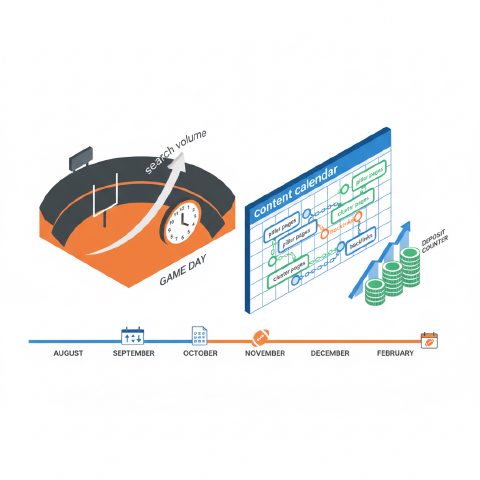
I've run this through two Super Bowls and a World Cup, and the pattern never changes: search volume for 'Chiefs vs [opponent] odds' or 'World Cup final betting sites' starts climbing 10-14 days out, peaks 48 hours before kickoff, then collapses to near-zero within 72 hours after the final whistle. A casino affiliate can build links to a 'best online slots' page in March and still be earning from it in November. A sportsbook page built the same way is dead the moment the fixture ends unless you've mapped it into a recurring fixture cluster.
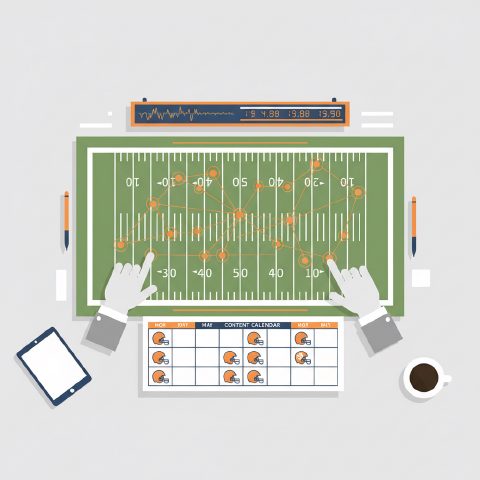
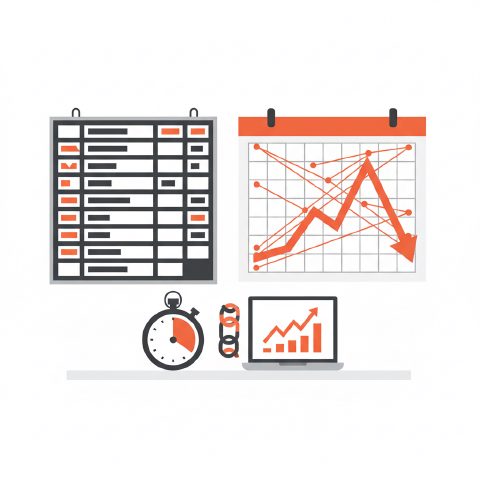
That changes the entire link acquisition calendar. I don't run a flat 10-links-a-month retainer for sportsbook clients, I run ramp curves. Link velocity is low in the off-season, climbs sharply 6-8 weeks before a marquee event, and holds through the event window before dropping back down. Ahrefs' historical link-velocity graphs for the sportsbooks I've audited show the sites that rank #1-3 for 'Super Bowl prop bets' every February built 60-70% of their event-page links in the preceding 45 days, not evenly across the year.
The other structural difference is content decay and revival. A casino guide degrades slowly. A fixture page decays hard, then needs to be revived and re-linked the following season with updated odds, rosters and lines. If you're building sportsbook backlinks to a URL that gets gutted and rewritten every year, you need a link structure that survives content refreshes, internal linking from a permanent hub page matters more here than in casino SEO, where the page itself rarely changes shape.
What counts as a sports-niche link for a sportsbook domain?
A sports-niche link comes from a domain with genuine topical proximity to sports content: team blogs, sports statistics sites, fantasy sports hubs, sports podcasts, local sports radio sites, and bylined sports journalists. Generic gambling directories or SEO-farm 'casino' link packages don't count anymore, Google's 2023-2024 spam updates gutted their topical value.
I draw a hard line between 'gambling-relevant' and 'sports-relevant' links, and sportsbooks need both but weight toward the second. A link from a licensed casino review site tells Google you're a gambling brand. A link from a fantasy football rankings site, a college basketball beat writer's Substack, or a local sports radio station's 'where to bet' sidebar tells Google you're a sportsbook that sports audiences actually engage with. That second signal is what separates a page ranking #2 from one stuck on page two for competitive fixture terms.
Concretely, my sports-niche target list runs through: team-specific fan blogs (SB Nation network sites, independent fan forums with real traffic), sports stats and data sites (think sites that publish standings, injury reports, advanced metrics), fantasy sports content hubs, sports podcast show-note pages, local sports talk radio station websites, and college athletics booster/alumni sites for NCAA-heavy markets. I check each prospect in Ahrefs for organic traffic from sports-intent queries before I bother pitching, a site with DR 35 but zero sports-query traffic is worse for this purpose than a DR 18 site that ranks for forty NFL long-tails.
The dead weight I strip out of every legacy link profile I inherit: generic 'top online casinos' directories, PBN link farms with no sports content on the linking page, and reciprocal link exchanges between unrelated gambling brands. Those links don't just fail to help, post-spam-update, they're the pages most likely to sit in a manual action review if the client ever gets flagged.
How many referring domains do you actually need to rank a sportsbook page in 2026?
It depends on page type and competition tier. A state-level sportsbook landing page competing against DraftKings and FanDuel typically needs 40-90 referring domains at DR20+. A fixture preview page in a mid-tier sport can rank with 8-15 sports-niche links if built 4-6 weeks pre-event. Evergreen guides sit in between.
These are ranges I pull from Ahrefs backlink audits across sportsbook clients and competitor sets, not universal constants, competition varies hard by state and sport. In a hot regulated market like New Jersey or Pennsylvania, a 'best sports betting sites [state]' page from a top-3 operator commonly sits on 60-120 referring domains, DR averaging 25-45, with the top three results all showing at least 15 links acquired in the prior 90 days. That's a saturated SERP; you're not out-linking DraftKings' domain authority, you're out-relevancing them on the specific page with tighter sports-niche anchors and faster content freshness.
Fixture and event pages behave completely differently because they're competing on recency and specificity, not raw authority. A 'Chiefs vs Bills odds' page doesn't need 80 links, it needs 10-15 links from sports-relevant domains landed in the 4-6 weeks before kickoff, plus strong internal linking from your permanent NFL odds hub. I've watched fixture pages built this way outrank pages with 3x the backlink count simply because the linking domains were sports-current and the content was updated same-week.
Screaming Frog and GSC data from client accounts consistently show the same lag: pages published and linked more than 90 days before an event get crawled and indexed fine, but they lose freshness signals by the time search volume peaks unless you push an update and a fresh batch of links inside that final 30-day window. Budget your link spend accordingly, front-loading everything 4 months out wastes half its impact.
| Page type | Target DR range | Referring domains needed | Realistic ranking timeline |
|---|---|---|---|
| State landing page (top-tier market) | DR 25-45 | 60-120 | 4-8 months |
| State landing page (mid-tier market) | DR 15-30 | 25-50 | 2-4 months |
| Evergreen betting guide (how-to, rules) | DR 15-25 | 15-35 | 6-10 weeks |
| Fixture/event preview page | DR 10-25 (sports-niche) | 8-15 | 4-6 weeks pre-event |
| Long-tail prop or futures page | DR 10-20 | 3-8 | 2-3 weeks pre-event |
Which sports-niche link tactics actually move rankings fastest before a fixture?
Niche edits in existing game-preview content, journalist/HARO-style outreach to sports beat writers, and data-driven digital PR (odds studies, betting trend reports) move fastest, often indexing and passing signal within 7-14 days. Guest posts and expired-domain rebuilds take longer but add durability the fast tactics don't.
Niche edits are my go-to for the 30-day pre-fixture window because you're inserting a link into a page that's already indexed, already ranking, and already getting crawled by Googlebot on a normal schedule, you're not waiting on a new URL to get discovered. I pay sports bloggers and fan-site editors $150-$400 per placement depending on domain traffic and sport, and I only place into articles genuinely relevant to the fixture (a Chiefs season-recap post, not a random 2019 archive page). Turnaround from outreach to live link typically runs 3-10 days if you're working with editors you've paid before.
Digital PR works faster than people expect in sports because sports journalists need fresh data constantly. A simple study, 'which NFL team's fans bet the most on unders' or state-by-state betting volume trends, pitched to sports desks two to three weeks before a marquee event routinely picks up 5-20 links in a single news cycle, several from domains you'd never get through cold outreach otherwise (regional sports sections of major papers, ESPN affiliate network sites, local TV station sports pages). The catch: you need a real data asset, not a press release dressed up as one, or sports editors ignore the pitch.
Guest posts and expired sports-domain rebuilds are the slow-and-steady tier. A guest post on an established fantasy sports hub takes 2-4 weeks from pitch to publish but the link tends to stay live for years and carries genuine topical trust. Expired-domain acquisition, buying a lapsed local sports blog or a dead fan-forum domain, verifying its backlink profile is clean in Ahrefs, and rebuilding it as a content asset that links into your fixture hub, is the highest-effort, highest-payoff tactic, but budget 4-8 weeks before it's contributing anything, so it's a season-ahead play, not a week-before-kickoff fix.
Should sportsbook link building target the homepage or individual fixture pages?
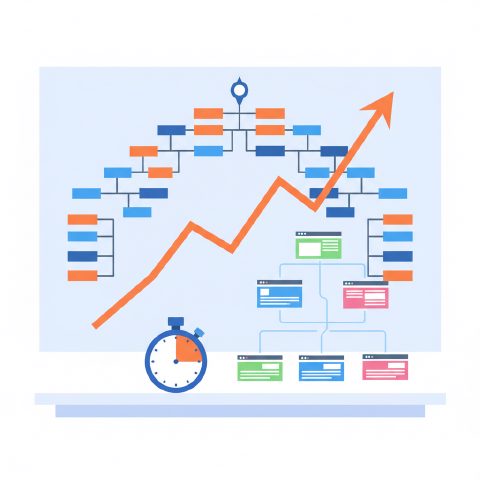
Neither exclusively. I run a hub-and-spoke model: 60-70% of external links point to permanent hub pages (state landing pages, sport-specific odds hubs) that survive year over year, while 30-40% point directly at time-sensitive fixture pages to give them a short, sharp authority boost during their active window.
Sending everything to the homepage is the mistake I see most from agencies that came from casino SEO and never adjusted the model. Homepage-heavy link profiles help brand-term rankings but do almost nothing for the specific fixture query that's driving the traffic spike you're actually trying to capture. If someone searches 'World Cup final betting odds,' Google wants a page about the World Cup final with topical signals, not your homepage with generic authority.
My hub-and-spoke structure treats the permanent sport hub, say, an 'NFL Odds & Betting Hub' page that never gets deleted, only updated weekly, as the primary external link magnet. That page accumulates links year-round from evergreen sources: sports rules guides, general betting explainers, fantasy sports resource pages. Then each week's fixture page (spoke) gets a smaller, sharply-timed batch of niche links plus strong internal linking from the hub, passing equity down without needing to rebuild external authority from zero every single week.
The payoff shows up in indexing speed. Fixture pages internally linked from an already-authoritative hub get crawled by Googlebot within 24-48 hours in the accounts I track through GSC's URL Inspection API reports, versus 5-10 days for an orphaned page with no internal link support. For a page with a shelf life of ten days, that difference is the entire campaign.
How do I find sports journalists and niche editors who'll actually link to a sportsbook operator?
Track sports beat writers on X/Twitter and Substack who cover the specific league or team you're targeting, pitch them data and angles, not press releases, 3-4 weeks before the event, and build a standing relationship with fantasy-sports and fan-site editors through paid niche edit arrangements rather than one-off asks.
Cold-pitching a national sports desk about a sportsbook brand rarely works, editors are wary of anything that reads like an ad, and most major sports outlets have strict advertiser-content separation policies since the surge of state-by-state legalization brought scrutiny. What works is pitching the data, not the brand. I lead with an angle a beat writer can use regardless of who's behind it: betting-trend data, injury-line movement analysis, historical playoff odds accuracy. The link back to the operator's methodology or data page follows naturally because it's the source, not because I asked for a plug.
For mid-tier and niche placements, fan blogs, local sports radio sites, regional sports sections, I maintain a running roster of 40-60 editors I've paid for niche edits or sponsored content before. Rates run $100-$500 depending on domain traffic and whether it's a fresh post or an insertion into an existing one. These relationships compound: an editor who's placed five clean links for you over a year is faster, cheaper, and more reliable than a new cold outreach cycle every time.
Tools-wise, I use Ahrefs' Content Explorer filtered by sports-category traffic to find sites actually ranking for fixture terms, cross-reference with SEMrush's organic traffic trend to avoid dead or declining sites, and keep a simple spreadsheet tracking response rate and turnaround time per contact, the data tells you within two or three campaigns which editors are worth a retainer relationship and which were a one-time win.
PBNs, expired domains, or niche edits, which link tactic fits a sportsbook program?
Niche edits and digital PR should form the durable core of any sportsbook link program because they survive Penguin and spam-update scrutiny. PBNs and expired-domain builds add speed and control but carry real de-indexing risk if the network isn't properly de-footprinted, treat them as a supplementary tier, never the whole strategy.
I run every sportsbook program on a tiered structure, not a single tactic, because each one solves a different problem. Niche edits and guest posts on real sports-content sites are the compliance-safe backbone, slow to negotiate but essentially risk-free against manual actions. PBNs built on expired sports domains give me speed and total control over anchor text and timing, which matters enormously in the 3-week window before a Super Bowl or World Cup final, but they require real de-footprinting work: different hosting providers, varied WHOIS, no shared Google Analytics or Search Console accounts, and content that reads like a genuine sports blog rather than a link shell.
The honest risk breakdown: a well-run PBN of 15-25 de-footprinted expired domains can safely support tier-2 link juice to your money pages and even carry a handful of direct tier-1 links if the content quality holds up. I've seen these survive multiple core updates. I've also seen sloppy PBNs, same hosting IP range, template-identical content, obvious anchor stuffing, get hit within a single Penguin-style spam update cycle, taking the client's whole domain down with a manual action. If a client isn't willing to fund proper de-footprinting (separate hosting, unique templates, real content spend), I tell them not to run a PBN at all; a half-built one is worse than none.
Digital PR sits in its own category because it's the only tactic that actively builds brand mentions alongside links, valuable for AI answer engines like Perplexity and Google's AI Overviews that weight entity co-occurrence, not just backlink count, when deciding which sportsbook to cite for a fixture query.
| Tactic | Cost per link (typical) | Speed to index/pass signal | Durability | Risk level |
|---|---|---|---|---|
| PBN (owned, de-footprinted) | $300-800 setup, low marginal cost after | 1-3 days | Medium, vulnerable to spam updates | High |
| Expired domain rebuild | $500-2,000 per domain acquired | 4-8 weeks to season the site | High once established | Medium |
| Niche edit | $100-500 | 3-10 days | High, years if editor keeps content live | Low |
| Digital PR / data study | $1,500-5,000 per campaign | 1-3 weeks for pickup wave | High, often 10-30+ links per campaign | Low |
| Guest post (sports blog) | $150-600 | 2-4 weeks | High | Low |
How should link velocity change around Super Bowl, March Madness or World Cup peaks?
Ramp link acquisition sharply 6-8 weeks before a marquee event, front-load 60-70% of the campaign's total links into that window, hold steady through event week, then drop to maintenance level immediately after. Flat, year-round velocity wastes budget on dead search demand and under-serves the actual spike.
Through two Super Bowls and a World Cup I've tracked the same demand curve every time on Google Trends and internal GSC data: fixture-specific query volume for a championship event starts a slow climb around week 8 out, accelerates hard from week 3, peaks the 48 hours before kickoff, and falls off a cliff within 72 hours after. Link velocity needs to trace that curve with a lead of roughly 3-4 weeks, because links need time to get discovered, crawled, and start passing signal, a link built the day before the Super Bowl does almost nothing for that year's traffic.
My standard ramp for a marquee event: weeks 8-6 out, light seeding (10-15% of total campaign links) to warm up the fixture hub and any pillar content. Weeks 5-3 out, the heaviest push, 50-60% of total links, mixing niche edits, digital PR pickup, and any PBN tier-2 support. Weeks 2-event, a final sharp burst of 20-25% focused on freshness signals, updated odds, new links to the specific matchup page, social amplification to trigger crawl frequency. After the event, I cut new link acquisition almost entirely for that specific page and redirect the effort to next season's cluster planning.
The failure mode I see most from operators running in-house is the opposite curve, they start building links the week of the event because that's when leadership finally approved budget. By then Google hasn't had time to crawl and trust the new links, and you're competing against operators who seeded six weeks earlier. I tell every new sportsbook client the same thing in the kickoff call: if your fixture calendar isn't driving your link calendar by Q3 of the prior year for something like a World Cup, you're already behind.
What anchor text ratio keeps a sportsbook domain safe in 2026?
Branded and naked-URL anchors should make up 70-85% of a sportsbook's total anchor profile. Partial-match anchors ('NFL betting sites,' 'World Cup odds') should sit around 10-20%. Exact-match commercial anchors ('best sports betting site') should stay under 5-8%, crossing into double digits is the single biggest self-inflicted Penguin-era risk I see in sportsbook audits.
Anchor text is the fastest way to get flagged, and sportsbook link profiles are especially exposed because so much link building happens around obvious commercial fixture terms. When I inherit a legacy account with a manual action or a sudden ranking collapse after a core update, anchor text distribution is the first thing I pull in Ahrefs, and it's almost always the same pattern: 20-30% exact-match commercial anchors piled up fast during a single event push, with almost nothing branded or natural underneath it.
The fix isn't complicated but it requires discipline during high-pressure link sprints. When my team is placing 15 links in a three-week pre-Super-Bowl window, I cap exact-match anchors like "best Super Bowl prop bets" at 1-2 of those 15, use branded anchors ("DraftKings," "bet on the Super Bowl at [Brand]") for 8-10 of them, and fill the rest with naked URLs and natural phrase variations like "check the latest odds here." It feels slower and less keyword-targeted in the moment, but it's the difference between a page that holds rank through a core update and one that gets manually reviewed.
I also watch anchor diversity across sports specifically, a domain that only ever earns "NFL betting" and "NFL odds" anchors, never any team-specific or fixture-specific variation, reads as manufactured. Real editorial links naturally vary, "the Chiefs' odds this week," "Bills vs Chiefs spread," "how sportsbooks are pricing the AFC title game." I build that variation into outreach briefs so linking editors write natural anchor phrasing rather than copying a suggested exact-match string.
| Anchor type | Safe range | Danger zone | Notes |
|---|---|---|---|
| Branded | 40-55% | Below 30% | Core of any safe profile |
| Naked URL / bare link | 20-30% | Below 10% | Mimics natural citation behavior |
| Partial-match / phrase | 10-20% | Above 30% | 'NFL betting sites,' 'World Cup odds guide' |
| Exact-match commercial | 3-8% | Above 10% | Highest-risk category; cap hard during event sprints |
| Generic ('click here,' 'this site') | 5-10% | Above 15% or 0% | Some presence looks natural; zero looks manufactured |
How do you build sportsbook links in regulated US states without tripping compliance flags?
Stick to licensed-market-relevant sites, avoid guaranteed-win or misleading odds language in anchor text and linking content, keep responsible-gambling messaging visible on linked pages, and never buy links from sites that also promote unlicensed offshore books in the same state, that cross-contamination is what triggers both Google policy issues and state regulator attention.
Regulated-market link building has a compliance layer casino SEO in gray markets doesn't have to think about as carefully. Most US state gaming commissions, New Jersey's DGE, Pennsylvania's PGCB, Michigan's MGCB, don't police backlinks directly, but they do police advertising content, and a link placement that includes misleading claims ("guaranteed profit," "can't lose parlay") on the linking page can become an advertising compliance issue for the operator, not just an SEO one. I brief every outreach editor on acceptable claim language before content goes live, and I keep a compliance checklist synced with the client's legal team for any state-specific campaign.
On the Google side, Google's gambling and games policy requires the linking operator to be properly licensed and, in most cases, the site itself needs Google Ads gambling certification even though this is organic work, inconsistency between what your site claims and what regulators list as licensed can flag the domain for manual review. I always cross-check the client's active license list against what's stated on any co-branded content or press release before it goes out for links.
The other practical risk is topical cross-contamination. Placing a niche edit on a site that, three posts down, is actively promoting an unlicensed offshore sportsbook in the same regulated state creates a bad neighbor problem, both for Google's spam signals and for the optics if a state regulator's marketing-compliance team ever reviews the operator's affiliate and link partners. I screen every prospect site's existing gambling content before placing anything, not just its DR and traffic.
What does a 90-day sports betting link building roadmap look like before a major event?
Weeks 1-3 are audit and prospecting, competitor gap analysis, anchor cleanup, fixture hub buildout. Weeks 4-9 are the acquisition sprint, niche edits, digital PR, guest posts, PBN support in that order of priority. Weeks 10-13 are the freshness and amplification push through event week, followed by a rapid drop to maintenance.
Day 1-21 of any event-driven campaign I run starts with an Ahrefs and SEMrush gap analysis against the top three ranking competitors for the target fixture terms, a Screaming Frog crawl of the client's own fixture hub to fix any internal linking or indexing issues, and an anchor text audit to make sure we're not compounding an existing risk. This phase also builds or refreshes the permanent hub page that every fixture spoke will link back to, skipping this step is the most common reason a link sprint underperforms; you're pouring links at a page with no internal support structure.
Weeks 4-9 are the acquisition engine. I sequence tactics by lead time: digital PR pitches go out first since data studies and journalist relationships take longest to convert, niche edits and guest posts run in parallel through weeks 5-8, and if a PBN tier is part of the program, that gets activated in weeks 6-8 to avoid links that look artificially fresh right before the event. Target pace across this window: for a marquee event like a Super Bowl or World Cup final, I'm aiming for 40-60% of the total campaign's referring domains landing in these six weeks specifically.
Weeks 10-13 shift from acquisition to freshness and amplification, updated odds and content on the fixture page itself, a final short burst of high-relevance links (event week is when the best digital PR pickups actually land, since journalists are writing live), and social/community amplification to push crawl frequency up through GSC. The day after the event, I pull the plug on new acquisition for that specific page entirely and start scoping next season's cluster, sportsbook link building only works as a recurring calendar, not a one-off project.

Comments
No comments yet, be the first.