Grey Hat SEO
The grey hat gambling SEO tactics that still work in 2026, ranked by real risk to your money site.

Grey hat tactics still move rankings for gambling operators faster than anything on the white-hat playbook, and every operator serious about deposits in 2026 already knows it. The real question isn't whether to use parasite SEO, cloaking, expired-domain acquisition, and doorway pages. It's which ones, at what dose, and behind what firewall between the tactic and the money site that actually holds your license badges and paid traffic history. Pure content-and-authority SEO in gambling takes 12 to 18 months to produce meaningful organic deposits, and most operators don't have that runway. Competitors aren't waiting either. So the honest brief is this: here's what actually works, here's the real risk level attached to each tactic, and here's what it costs you specifically if it goes wrong.
Parasite SEO on borrowed authority
Parasite SEO means publishing gambling content on domains that already carry Google's trust instead of building your own: Medium, LinkedIn Pulse, Sites.Google, high-authority press-release wires like PR Newswire and EIN Presswire, niche forums, and the occasional guest post slipped onto an edu or gov subdomain. The mechanic is simple. Borrowed authority ranks in days or weeks for terms that would take a fresh domain a year to touch. The risk is specific and well documented. Google's September 2024 spam policy update named site reputation abuse directly, targeting exactly this pattern, and platforms themselves periodically sweep and deindex gambling content that violates their own terms of service. You don't own the asset, so you can lose it overnight with zero warning. Treat parasite pages as a disposable traffic layer feeding the money site through tracked redirects, never as your only channel, and budget for churn.
Cloaking and the manual-action cliff
Cloaking, serving Googlebot different content than the human visitor sees, is standard infrastructure in gambling doorway and satellite networks, especially for markets requiring geo-gating or for bypassing ad-policy restrictions that don't apply to organic crawl behavior. The mechanic runs on IP and user-agent detection with JavaScript-gated rendering behind a bot check. The risk here is the sharpest in the entire grey-hat toolkit. A manual action for cloaking triggers full-site deindexing, not an algorithmic demotion you can wait out, and no disavow file fixes it. Recovery means a reconsideration request, a genuine explanation of remediation, and often months of waiting with no guarantee Google grants it back. The non-negotiable rule: cloaking infrastructure lives exclusively on doorway and satellite domains, never anywhere near the domain carrying your brand, your licensing proof, or your paid campaign history. If a cloaked domain burns, it burns alone.
Expired domains: diligence over shortcuts
Expired-domain acquisition, buying lapsed domains that still carry a backlink profile, sourced through Ahrefs, ExpiredDomains.net, or auction platforms, lets you inherit link equity instantly instead of earning it, either through a 301 redirect into existing content or a full rebuild on the old URL structure. It still works, but Google's link spam systems have gotten materially better at discounting equity from domains that show a topical or ownership discontinuity. That shows up as flat rankings with no penalty notice at all, just quiet non-performance. Due diligence matters more than the purchase price. Pull the Wayback Machine history before you buy, confirm the domain wasn't previously running adult, pharma, or spam content, and check that the backlink profile isn't 90 percent low-quality directories and forum spam pretending to be authority.
Doorway pages and template differentiation
Doorway pages, geo- and keyword-targeted landing pages built to rank for a single query pattern and funnel straight into one money site, are almost unavoidable in gambling given the combinatorics of country, brand, and game-type keywords. Best online casino times fifty countries times twenty brand comparisons is a doorway network's natural habitat. Google's spam policies name doorways explicitly, and enforcement runs both algorithmic and manual, with entire networks devalued in a single spam update. It happened repeatedly across 2023 through 2025, specifically to gambling doorway operations. Mitigate it by differentiating templates and content depth across geo variants instead of swapping a country name into an identical shell, and keep the money site on separate hosting and registration so a network-wide devaluation doesn't touch it.
Sequencing risk across the network
None of these tactics are secret. Every serious competitor in your vertical is running some combination of them right now. The actual skill is sequencing risk: deciding which domains absorb the exposure, capping what percentage of total traffic sits on the grey layer versus a compounding white-hat base underneath it, and building the monitoring to detect and cut a burning asset in hours, not months, before it drags anything else down with it. That's the architecture we build for clients. Aggressive tactics pay now, a slower authority build compounds underneath, and a firewall between the two actually holds.

Written by Kai Renner, Crypto-Gambling SEO Lead
Explore our insights
 guide
guide
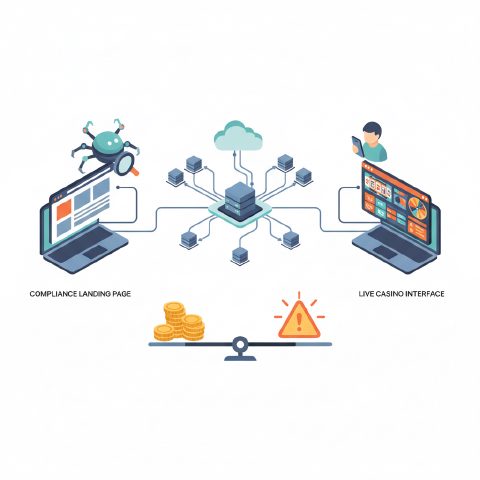
Doorway Pages & Cloaking in Gambling: The Risk Calculus
A frank breakdown of geo-cloaking and doorway pages in gambling SEO, how the tactic works, what Google's detection stack costs you in deposits, and where compliant geo-routing actually pays off.
 guide
guide
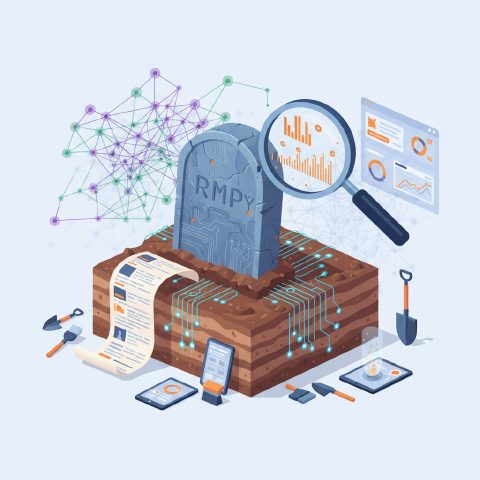
Expired Domains for Casino SEO: Find, Vet & Restore Them
A field-tested breakdown of how operators source, vet and restore casino expired domains in 2026 without walking into Google's expired domain abuse policy.
 guide
guide
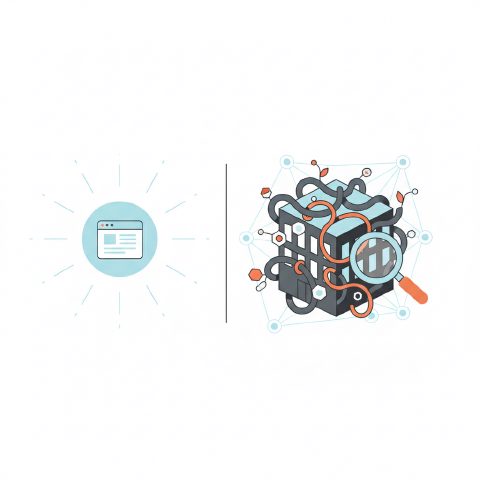
Parasite SEO for Gambling: What Still Works After the Crackdown
The Forbes/USA Today-style parasite play is dead. What replaced it is smaller, faster, and disposable, here's what still ranks for gambling operators in 2026, and what will get you a manual action.
Free: iGaming SEO & AEO playbook
Get our latest search & AI-visibility playbook by email, no spam.